
Understanding the Importance of Exercise for Mental Health Benefits | Powerful


Feeling stressed, anxious, or low on energy? You’re not alone. Mental health issues like depression and anxiety affect millions of people worldwide. But there’s good news-exercise can help!
The importance of exercise for mental health goes beyond just physical benefits. Research shows that regular physical activity reduces stress hormones, boosts mood, and even helps in creating new brain cells. Whether it’s a brisk walk, lifting weights, or an exercise class, staying physically active has many benefits for mental well-being.
If you’re looking for a natural way to improve depressive symptoms, reduce anxiety, and boost self-esteem, exercise is the answer. Let’s explore how physical exercise contributes to better mental health and why you should make it a part of your daily routine.
Key Health Benefits of Exercise for Mental Well-Being
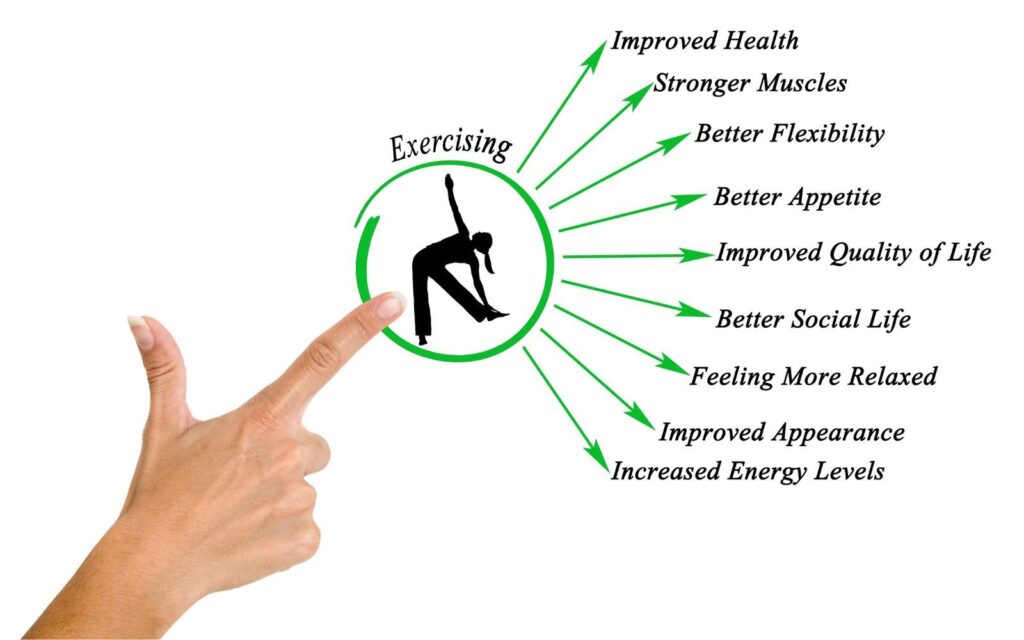
- Reduces stress hormones, lowering anxiety symptoms and improving mood.
- Boosts self-confidence by improving body image and fitness levels.
- Improves sleep quality, helping to manage mental health conditions.
- Increases mental energy, reducing fatigue and enhancing productivity.
- Supports neural growth, encouraging new brain cells and brain function.
- Enhances social interaction, reducing feelings of loneliness and isolation.
How Regular Exercise Improves Mental Health
Reducing Stress and Anxiety Symptoms
Exercise is a powerful anxiety exercise that helps lower stress hormones like cortisol and adrenaline. Moderate-intensity exercise, such as a brisk walk or a fitness class, increases endorphins, which act as natural stress relievers.
Evidence suggests that exercise has a statistically significant positive impact on reducing anxiety symptoms.
Fights Depression and Boosts Mood
Struggling with depression and anxiety? Regular exercise can help improve depressive symptoms by increasing serotonin and dopamine levels.
Many randomized controlled trials and meta-analyses confirm that physical activity has similar effects to antidepressant medication for mild to moderate depression.
Enhances Self-Esteem and Body Image
Regular physical exercise not only improves physical health but also enhances self-esteem and confidence.
When you start exercising and notice progress, whether it’s lifting weights or completing an exercise program, your self-confidence naturally grows.
Improves Sleep and Mental Energy
Moderate physical activity during the day can improve sleep quality, which is essential for mental well-being.
Research shows that people who exercise regularly fall asleep faster and experience deeper, more restorative sleep, helping to combat fatigue and low mental energy.
Supports Brain Function and Cognitive Health
Exercise promotes neural growth and increases the production of new brain cells, improving memory, focus, and problem-solving skills.
A systematic review found that people who engage in regular physical activity have a lower risk of developing mental health problems like dementia.
Best Types of Exercise for Mental Health Benefits

Aerobic Exercise
- Running or jogging
- Cycling
- Swimming
- Dancing
Aerobic activities boost mood, improve depression, and reduce stress. Studies in clinical psychiatry suggest that moderate-intensity exercise has a statistically significant effect on reducing major depression symptoms.
2. Strength Training
- Lifting weights
- Bodyweight exercises (push-ups, squats)
Strength training not only provides physical benefits but also helps improve self-confidence and reduce negative thoughts.
A primary care companion study suggests that resistance training can significantly improve depressive symptoms.
3. Mind-Body Exercises
- Yoga
- Tai Chi
- Pilates
These exercises promote relaxation, reduce stress, and help manage anxiety symptoms. Many benefits come from the mindfulness aspect of these workouts, improving overall well-being.
4. Outdoor Activities
- Hiking
- Gardening
- Brisk walking in nature
Spending time in nature enhances mental well-being by reducing stress and boosting mood. Evidence suggests that outdoor physical activity is linked to better mental health outcomes.
How to Start an Exercise Routine for Better Mental Health

Set Realistic Goals
If you have a busy schedule, start with small steps like a 10-minute brisk walk or light household chores. Over time, you can increase your fitness plan based on your energy levels and fitness level.
Make Exercise Fun
Enjoyment is key to sticking with an exercise routine. Choose activities that make you happy, whether it’s dancing, swimming, or an exercise class.
Find Social Support
Working out with friends, joining a gym, or participating in group exercise programs can provide motivation and accountability. Social interaction during workouts helps improve mental health conditions.
Mix Moderate and Vigorous Activities
A combination of moderate exercise and vigorous activities ensures you get the full mental and physical benefits. This mix helps improve depression, boost mood, and support overall health.
Seek Guidance from a Mental Health Professional
If you’re dealing with severe mental health problems, consult a mental health professional. They can recommend an exercise program that suits your condition and lifestyle.
Summary: The importance of exercise for mental health
The health benefits of exercise go far beyond physical health. Regular physical activity helps manage mental health conditions, reduce anxiety symptoms, boost mood, and improve self-esteem. Whether it’s a moderate-intensity exercise like a brisk walk or a vigorous workout, the key is to stay consistent.
If you’re struggling with mental health issues, making exercise a part of your daily routine can bring statistically significant improvements. Start small, make exercise fun, and seek support if needed. With time, you’ll notice a positive impact on your mental well-being and overall quality of life.
Frequently Asked Questions
How Much Exercise Do I Need for Mental Health Benefits?
For optimal mental health benefits, aim for 150 minutes of moderate exercise or 75 minutes of vigorous activity per week, as recommended by public health experts.
Can Exercise Replace Medication for Depression and Anxiety?
While regular physical activity can improve depression and reduce clinical anxiety, it should not replace prescribed medication. Consult a mental health professional for personalized advice.
What’s the Best Type of Exercise for Mental Health?
A combination of aerobic exercise, strength training, and mindful exercises like yoga offers the best benefits. Activities that you enjoy and can do consistently are the most effective.
How Can I Stay Motivated to Exercise Regularly?
Make your exercise routine enjoyable! Join an exercise class, set small goals, find a workout partner, or track your progress to stay motivated.
Can Exercise Help with Major Depression?
Yes! Many randomized controlled trials suggest that moderate physical activity has a statistically significant positive impact on reducing major depression symptoms.