
Natural Light at Work: Boost Focus, Sleep, and Energy

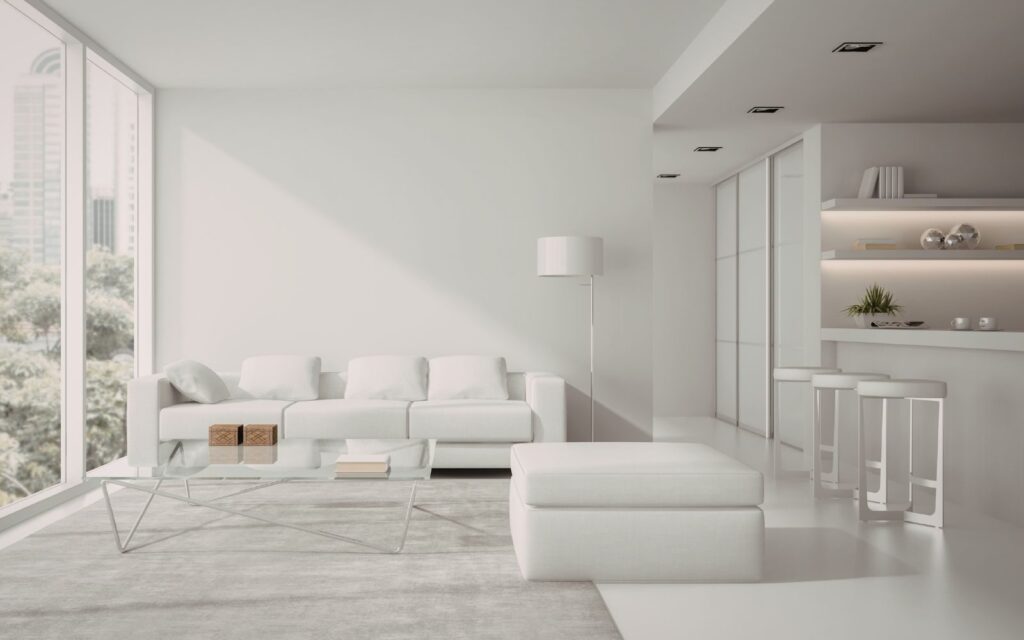
Natural light at work is one of the simplest, cheapest upgrades you can make to your wellbeing and your focus—and it happens to be good for the planet too. After years of arranging my own desk around whatever window I could find, I’m convinced daylight belongs near the top of any workplace-wellness checklist. The short answer: more daylight during the workday helps you sleep better, feel more alert, strain your eyes less, and rely on fewer energy-hungry lights.
In this guide I’ll share what the research says and the practical habits I use to pull more natural light into my day, whether I’m in a corporate office, a co-working space, or working from my kitchen table.
Key Takeaways
- Natural light at work is linked to longer, better sleep—window-side office workers slept about 46 minutes more per night in one Northwestern study.
- Daylight is the office perk employees value most: over half rank it above gyms and free food.
- More daylight means less eyestrain, fewer headaches, and measurable productivity gains.
- Daylighting also cuts electricity use, since lighting is a large share of a commercial building’s power draw.
- You don’t need a corner office—small changes to where you sit and how you manage glare make a real difference.
Why Natural Light at Work Matters So Much
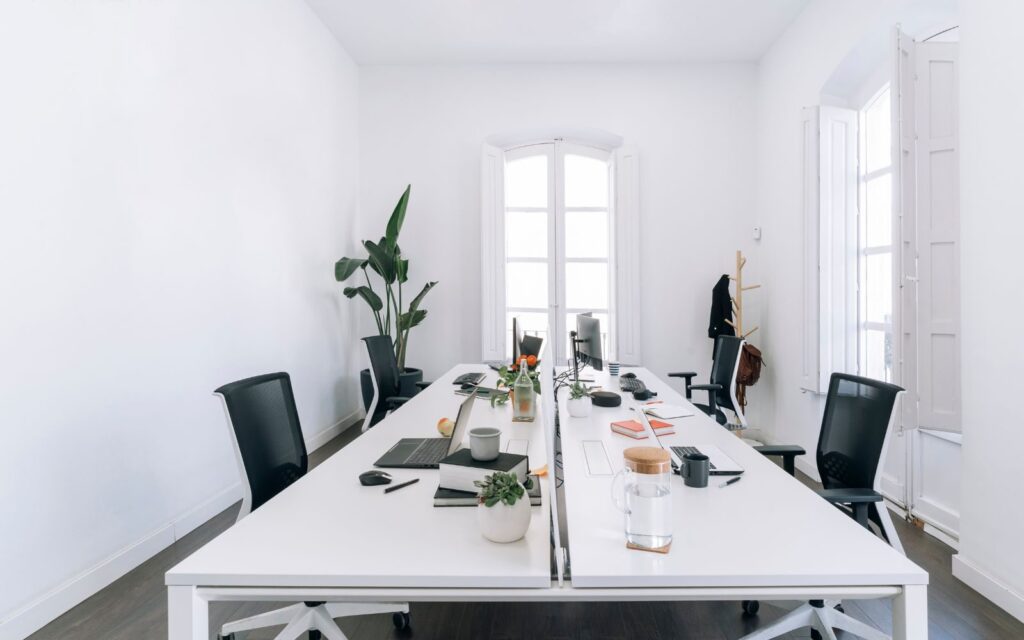
Your body runs on an internal clock, and light is its main timekeeper. When you get bright light during the day—especially in the morning—your circadian rhythm stays aligned, which supports steadier energy, mood, and sleep. Dim, artificial-only environments send weaker signals, leaving many of us groggy by mid-afternoon.
The evidence here is striking. A Northwestern University study found that workers with windows received 173% more white light exposure during work hours and slept an average of 46 minutes more per night than colleagues in windowless offices. They also reported more physical activity and better overall quality of life.
Sleep is the hidden multiplier for everything else you do. If you want to go deeper on that side of the equation, I’ve written more in my guide to sleep hygiene tips for better health.
The Focus and Health Payoff
Daylight isn’t just a mood booster—it shows up in how people feel and perform at their desks. In a Cornell study led by ergonomics professor Alan Hedge, workers in optimized daylit offices reported a 51% drop in eyestrain and a 63% drop in headaches, along with a 56% decrease in drowsiness.
That same research tied better daylight to roughly a 2% bump in productivity—which Hedge estimated at about $100,000 of added value per year for every 100 workers. Two percent sounds small until you multiply it across a team and a full year.
Reducing eyestrain matters even more now that we spend so many hours on screens. Pairing good daylight with smart screen habits is a one-two punch; I cover the screen side in my post on digital eye strain at work.
The Sustainability Angle Most People Miss
Here’s the part that makes natural light a genuine win-win. Lighting accounts for an estimated 25–40% of the electricity used in a typical U.S. commercial building, according to research from the U.S. Department of Energy’s Lawrence Berkeley National Laboratory. Every hour you rely on daylight instead of overhead fixtures trims that load.
Well-designed “daylight harvesting”—using sensors to dim electric lights as sunshine fills a room—can cut lighting energy substantially, with studies reporting savings in the range of 30% or more. Less artificial lighting also means less waste heat, which can ease cooling demand in warmer months.
This is exactly the kind of habit I love: better for you, better for the building’s footprint, and it costs nothing to start. It fits neatly alongside other low-effort green routines like the ones in my piece on staying hydrated at work.
How I Get More Natural Light Into My Workday
Claim a spot near the window
When over half of employees say daylight and outdoor views are their top workplace perk—per a Future Workplace survey of 1,614 workers reported by Harvard Business Review—it’s worth advocating for a brighter seat. Position your monitor perpendicular to the window rather than facing or backing it directly to avoid glare.
Front-load light in the morning
Morning light has the strongest circadian effect, so I try to get outside or sit by a window early. Even a ten-minute coffee near a bright window before the day ramps up helps me feel more awake.
Take breaks outdoors
Instead of scrolling at my desk, I step outside for short breaks. It stacks a daylight dose with a bit of movement—the same logic behind my movement snacks at work approach.
Manage glare, don’t block light
Glare is the usual reason people close blinds and lose daylight entirely. Light-filtering shades, a matte monitor, and smart desk angles let you keep the brightness without the squint.
Summary
Natural light at work is a rare habit that improves sleep, focus, and comfort while cutting a building’s energy use. The research is consistent: more daylight is tied to longer sleep, fewer headaches and less eyestrain, higher reported productivity, and lower lighting bills.
You don’t need to renovate anything—sit closer to a window, get morning light, take outdoor breaks, and manage glare instead of blocking the light. Small placement choices compound into a noticeably better, greener workday.
Frequently Asked Questions
How much natural light do I actually need at work?
There’s no single number, but the goal is regular exposure to bright daytime light, ideally in the morning. In the Northwestern research, simply having a window meaningfully increased light exposure and improved sleep, so even consistent access to a daylit space helps. If you can’t sit by a window, taking outdoor breaks is a strong substitute.
What if my office has no windows near my desk?
Move light-gathering into your routine instead. Take breaks outside, eat lunch near a window or outdoors, and get daylight on your commute or before work. You can also talk with your manager about seating, since surveys show most employees prioritize daylight and views over other perks, making it a reasonable request.
Does natural light really reduce eyestrain from screens?
Research links daylit offices with sizable drops in reported eyestrain and headaches compared with windowless spaces. Daylight tends to provide balanced, diffuse illumination that’s easier on the eyes than harsh overhead lighting, though you should still follow good screen habits like regular focus breaks.
How does using more daylight save energy?
Lighting is a major slice of a commercial building’s electricity use, so relying on daylight when it’s available lets electric lights stay dimmed or off. Automated daylight-harvesting systems do this with sensors, but even manually turning off unneeded lights near a bright window trims energy use and waste heat.
Is artificial “daylight” lighting a good alternative?
Bright, cooler-toned electric lighting during the day can help when real daylight isn’t available, and some studies show tuned lighting supports alertness and healthier evening melatonin timing. That said, it’s a supplement rather than a full replacement for genuine natural light and outdoor exposure.







One Comment