Eating at Your Desk: A Healthier, Greener Lunch Routine

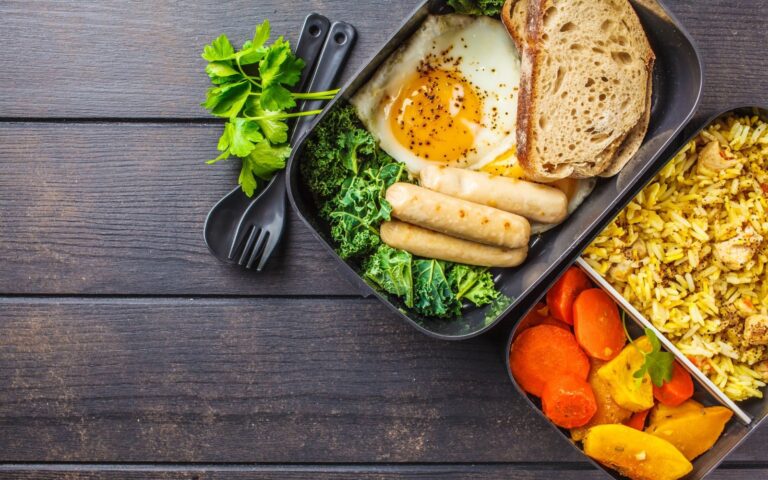
Eating at your desk is not automatically a bad habit, but it works best when you treat it like a real meal: a clean surface, food kept at a safe temperature, a few minutes of actual attention, and reusable containers instead of a pile of packaging. I eat at my desk more often than I would like to admit, so I have spent a lot of time working out which small changes make it genuinely better for my body, my focus, and the planet.
In short, the answer is to clear the surface, keep perishables cold, put the screen away while you eat, and pack lunch in containers you will use again. The rest of this guide explains why each step matters, with sources I have checked, and how to fit them into a busy day.
Key Takeaways
- Eating at your desk can be fine if you clean the surface first, wash your hands, and give the meal a few screen-free minutes.
- The CDC advises never leaving perishable food out for more than 2 hours, or 1 hour above 90°F, so a lunch left in a warm bag deserves caution.
- A University of Liverpool-led review of 24 studies found that distraction while eating raised intake at the meal and had an even larger effect on later eating.
- The EPA reports that one-third of food in the United States goes uneaten, so right-sized, reusable lunch packing helps your wallet and the environment.
- You do not need a perfect routine. One or two changes, repeated daily, beat a big overhaul you abandon by Thursday.
Why Is Eating at Your Desk So Common?
Most of us do it for the same reason: the day is full, and a lunch break feels like a luxury. A sandwich beside the keyboard looks like a clever compromise, because you stay available and the inbox keeps moving.
I have made that trade many times. What I noticed is that the “saved” time rarely stayed saved. I ate quickly, barely tasted the food, and returned to work with the same tired brain I had before. If you want a deeper look at the break itself, I wrote about it in why a proper lunch break matters, and this article focuses on the practical case where you really do end up eating at your desk.
Is it harmful, or just unglamorous?
I would not call it harmful in itself. The risks come from the details: where the food sits before you eat it, what is on the surface under your plate, and how much attention you pay to eating. Those are fixable, which is good news, because the habit itself is not going away for most people.
This article is general wellness information, not medical advice. If you have a health condition, allergies, or specific dietary needs, a doctor or registered dietitian is the right person to ask.
How Do You Keep Desk Food Safe?
Food safety is the least glamorous part of eating at your desk, and the part I would fix first. Lunch often travels in a bag, sits near a sunny window, and waits through a long meeting before anyone eats it.
The CDC’s food safety guidance is clear: never leave perishable food out for more than 2 hours, or 1 hour if it is exposed to temperatures above 90°F. It also notes that bacteria multiply rapidly in the danger zone between 40°F and 140°F, and advises keeping your refrigerator at 40°F or below. You can read the full guidance on the CDC food safety prevention page.
What does that look like on a normal workday?
For me it comes down to three habits. First, anything perishable goes into the office refrigerator the moment I arrive, not at noon. Second, I use an insulated bag with a reusable ice pack when I know I will be in back-to-back meetings. Third, if lunch has been sitting out past the safe window, I throw it away instead of gambling on it.
That last one feels wasteful, which is exactly why I try to pack smaller portions of risky items such as dairy, cooked rice, and meat. Less to discard means fewer hard decisions.
Why does a clean surface matter?
Your desk handles phones, keyboards, mice, and packages all day, then becomes a dining table. The CDC also says to wash your hands before eating, for at least 20 seconds with soap and warm or cold water, and to wash utensils and surfaces with hot, soapy water.
In an office, I translate that as a quick wipe of the area where the food will sit and a proper hand wash before I open the container. I covered the technique in more detail in my guide to hand hygiene at work, and it takes less time than scrolling through one more email.
How Does Distraction Change What and How Much You Eat?
This is the part that surprised me most. When your eyes are on a spreadsheet, the meal becomes background noise, and it is easy to finish a container without remembering it.
A systematic review and meta-analysis led by Dr Eric Robinson at the University of Liverpool, published in the American Journal of Clinical Nutrition, examined 24 studies on attention, awareness, and memory around eating. As summarised by ScienceDaily, being distracted while eating led to increased consumption of the immediate meal, and had an even bigger effect on later eating.
I read that as a nudge, not a rule. It suggests that even a short pause, where you actually look at your food, may change how the afternoon goes. It does not mean a distracted sandwich ruins your health.
A five-minute attention reset
When I cannot take a full break, I use a simple version. I close the laptop lid or switch the screen to a blank document, put my phone face down, and eat the first five minutes of the meal without doing anything else.
After that, I allow myself to return to light tasks if I must. Those first five minutes are usually enough for me to notice when I am full, and they give my eyes a rest as well.
Pair the meal with movement
If you eat quickly at your desk, the rest of the afternoon often becomes a long stretch of sitting. I like to follow lunch with a short walk, even just around the building, and I have written about easy ways to do that in movement snacks at work.
What Makes Desk Lunch Greener?
Eating at your desk is also where a lot of office waste is born: single-use containers, plastic cutlery, condiment packets, and the half-eaten food no one wants to finish.
The EPA says one-third of all food in the United States goes uneaten, and that about 96 percent of households’ wasted food in 2019 ended up in landfills, combustion facilities, or down the drain to the sewer system. It also states that the average family of four spends almost $3,000 per year on food that does not get eaten. Those figures come from the EPA’s guidance on preventing wasted food at home, and they apply to households rather than offices, but the habits translate directly to a packed lunch.
Practical swaps I actually use
- A reusable container and real cutlery. Keep a fork and spoon in your desk drawer so you never reach for plastic.
- Cloth napkin or a washable towel. It stays in the drawer and goes home with the weekend laundry.
- Smaller portions, with seconds available. It is easier to eat a little more than to throw away a lot.
- A leftover plan. Decide at packing time whether leftovers go to tomorrow’s lunch or the compost bin.
If you plan your lunches ahead, my piece on meal prep for work shows how to cut both waste and morning stress.
Water is part of the meal
A refillable bottle beats a vending machine run every time. If hydration is something you forget at your desk, staying hydrated at work has simple prompts that fit around a busy schedule.
A Simple Desk-Lunch Routine
Here is the routine I come back to when the day is too full for a real break. It takes about ten minutes of setup and then runs on autopilot.
Before lunch
Move perishables into the refrigerator when you arrive. Set a calendar reminder fifteen minutes before you plan to eat so the meal does not collide with a meeting.
At lunch
Wash your hands, wipe the surface, and close the work windows. Eat the first five minutes without a screen. Drink water with the meal.
After lunch
Rinse and pack the container, then take a short walk if you can. Note what worked, and adjust one small thing tomorrow.
Summary
Eating at your desk does not have to be a guilty habit. Keep perishable food within the CDC’s time and temperature guidance, clean your hands and surface first, and give the meal a few screen-free minutes, because research summarised by ScienceDaily links distraction to eating more, both at the meal and later.
Then make it greener with reusable containers, realistic portions, and a leftover plan, since the EPA reports that a third of food in the United States goes uneaten. Pick one change this week, and let it become automatic before you add another.
Frequently Asked Questions
Is eating at your desk bad for you?
Not by itself. The concerns are practical ones, such as food kept too long at warm temperatures, a dirty work surface, and eating while distracted. Addressing those makes the habit much more reasonable.
How long can packed lunch sit out safely?
The CDC advises never leaving perishable food out for more than 2 hours, or 1 hour if temperatures are above 90°F. If you are unsure how long something has been out, it is safer to throw it away.
Do I really need to wash my hands before eating at my desk?
The CDC recommends washing your hands before eating, for at least 20 seconds with soap and water. Because desks are touched constantly, I treat it as a non-negotiable step.
Does eating while working make you eat more?
Research suggests it might. The review of 24 studies led by Dr Eric Robinson found that distraction increased consumption at the immediate meal and had an even larger effect on later eating. Individual results vary, so treat it as a prompt to pay attention, not a rule.
How can I make desk lunches more sustainable?
Use reusable containers and cutlery, pack realistic portions, and plan what happens to leftovers. These small habits reduce packaging and food waste together.
What if I truly cannot take a break?
Do the five-minute version: wash your hands, wipe the surface, and eat the first five minutes without a screen. It is not perfect, but it is a real improvement over eating on autopilot.