Power Naps at Work: The Ultimate Science of a Sharper Afternoon

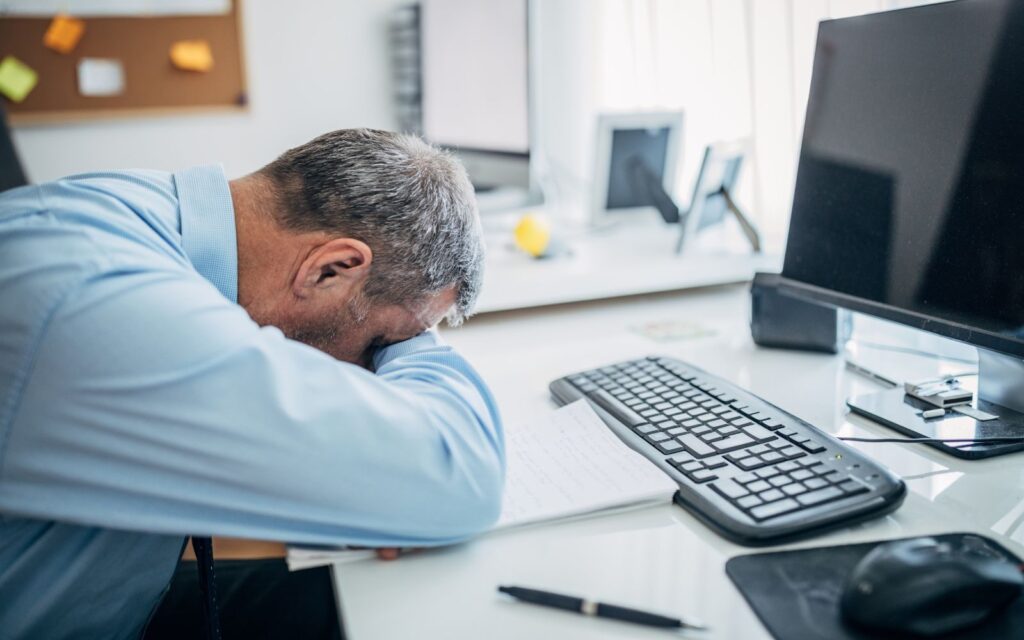
Power naps at work, kept to 10 or 20 minutes and timed for early afternoon, are one of the few workplace-wellness habits with genuine research behind them rather than just good branding. I did not always believe that.
For years I treated my 2 p.m. slump as a caffeine problem and pushed through it at my desk. What changed my mind was reading the actual research: not lifestyle-blog nap advice, but occupational fatigue data from federal researchers and a NASA-funded study on pilots, all pointing to the same short, specific window.
Key Takeaways
- Power naps at work that run 10 to 30 minutes and land in the early-to-mid afternoon give you most of the alertness benefit with the least grogginess.
- NASA-funded research on long-haul pilots found that a short in-flight nap produced a large jump in alertness and task accuracy compared with no nap at all.
- Naps longer than about 30 minutes push you into deeper sleep stages, which is when sleep inertia (that groggy, slow-to-think feeling) sets in and can last 30 to 60 minutes, occasionally longer.
- Drinking coffee immediately before a short nap, then getting up before the caffeine kicks in, can shorten the post-nap fog.
- Fatigue is not a minor inconvenience: drowsy-driving crashes killed 644 people in the United States in 2024, and they cluster in two predictable circadian danger windows.
- Needing a nap most afternoons just to function is worth treating as a signal about your sleep debt or workload, not only as a productivity trick.
What Actually Counts as a Power Nap
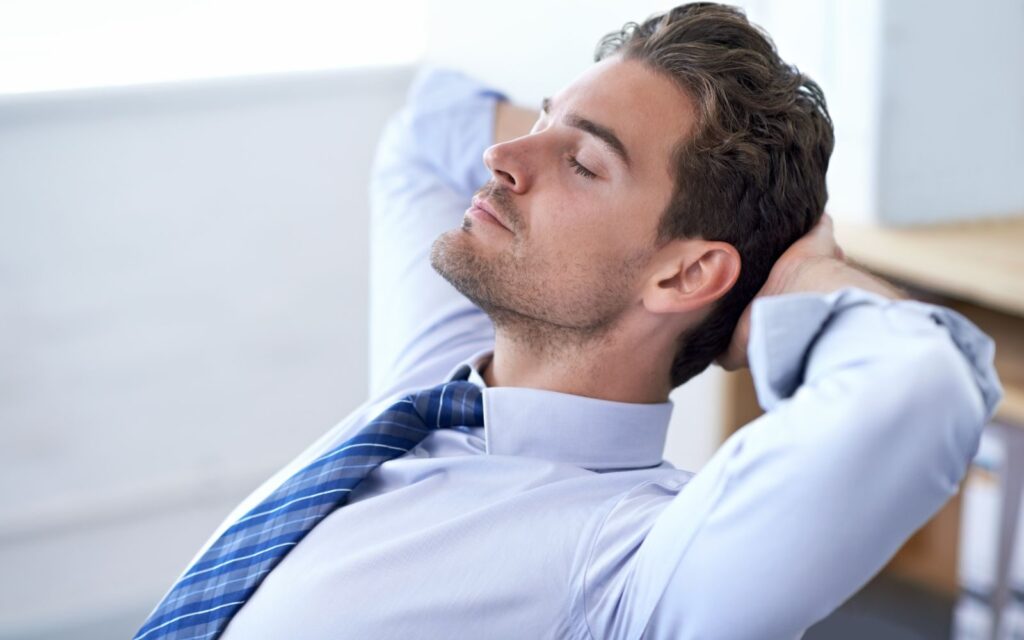
Power naps at work are short by design. Harvard Health Publishing defines a power nap as lasting roughly 10 to 30 minutes, long enough to rest without sliding into deep sleep. That boundary matters more than most people realize, because what happens after you cross it is the whole reason naps get a bad reputation at the office.
Roughly 30 minutes after you fall asleep, your brain typically begins moving into deeper sleep stages. Waking up out of that deeper sleep is what produces sleep inertia: a temporary state of grogginess, slower reaction time, and foggier thinking. The National Institute for Occupational Safety and Health, which studies fatigue in shift workers for a living, notes that sleep inertia usually lasts 30 to 60 minutes, though researchers have observed it lasting as long as two hours in some cases.
So the practical rule is simple: if you want to return to your desk sharper, not groggier, keep the nap short and set an alarm. A 20-minute nap is a very different experience than a 45-minute one, even though both feel like “just a quick nap” in the moment.
Why the Afternoon Slump Hits Nearly Everyone
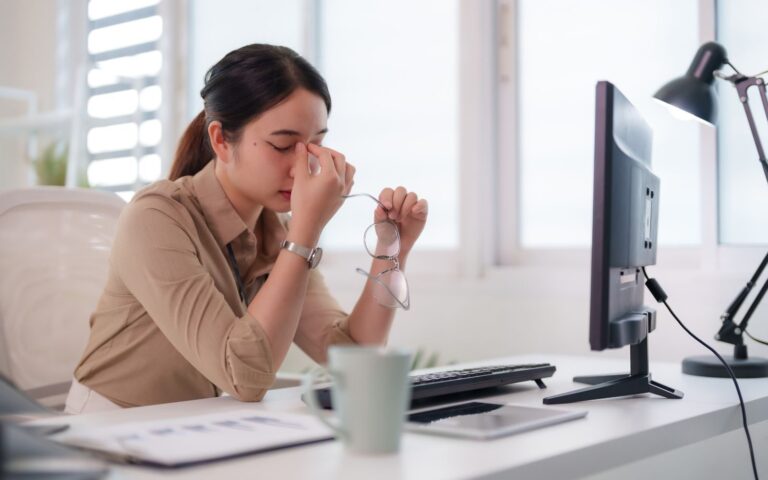
If you have ever hit a wall around 2 p.m. despite a decent night’s sleep, that is not a personal failing. It lines up with a well-documented dip in your circadian alertness rhythm that shows up in the early-to-mid afternoon for most adults, independent of when or what you last ate.
That dip is worse for a lot of people right now because the sleep underneath it is already thin. According to a 2026 CDC data brief drawing on the 2024 National Health Interview Survey, 30.5 percent of American adults get less than seven hours of sleep on an average day. When you start the afternoon already carrying a sleep deficit, the natural circadian dip lands harder. I have written before about closing that gap at the source in my piece on sleep hygiene habits that actually help, and a nap should be viewed as a same-day patch, not a substitute for that.
The stakes go beyond feeling sluggish at your keyboard. The National Highway Traffic Safety Administration tracks exactly when drowsy-driving crashes happen, and the pattern is consistent: these crashes cluster either between midnight and 6 a.m. or in the late afternoon, the two times of day when the circadian dip is strongest. That afternoon window is precisely when a lot of commuters are getting behind the wheel after a full workday.
The NASA Research Behind Power Naps at Work

The most-cited evidence for power naps at work did not come from a productivity blog. It came from a NASA-funded study of commercial airline pilots on long-haul, trans-Pacific routes in the early 1990s, published in the Journal of Sleep Research by Rosekind and colleagues. Pilots were given a brief, planned rest opportunity during the low-workload cruise portion of the flight.
As summarized by Harvard Health Publishing, pilots who took naps in the 20-to-30-minute range were more than 50 percent more alert and over 30 percent more accurate on performance measures than pilots who did not nap.
That is a striking effect for such a short intervention, though it is worth being honest about the population: these were sleep-deprived pilots on overnight flights, a more extreme fatigue scenario than most office workers face on an ordinary Tuesday.
The size of the benefit will not transfer one-to-one to every cubicle, but the underlying mechanism, a brief nap restoring alertness before sleep inertia sets in, is the same one at work whether you are flying a 747 or finishing a spreadsheet.
Separately, research published in the journal Obesity and summarized by Harvard Health found that adults who napped longer than 30 minutes were more likely to show higher blood pressure and blood sugar readings than short nappers or non-nappers.
That is not a reason to fear naps; it is a reason to keep them short, which is the same boundary the alertness research points to anyway.
How I Actually Take a Power Nap at Work
I block 20 to 30 minutes in the early afternoon, generally between 1 and 3 p.m., which lines up with both the circadian dip and Harvard Health’s recommended nap window. I treat it as a real calendar hold, not something I squeeze in if the day happens to be quiet.
I find the quietest, dimmest space available, whether that is a parked car, an empty meeting room, or a corner with noise-canceling headphones, and I set a hard alarm at 25 minutes so I am not relying on willpower to wake up on time. On days when I know I will need to be sharp within minutes of waking, I will drink a cup of coffee right before lying down. NIOSH’s occupational fatigue research notes that pairing caffeine with a short nap works because caffeine takes about 30 minutes to reach full effect, so it starts working right around when the nap ends, on top of whatever alertness the nap itself restored. I cover the caffeine side of this in more detail in my piece on timing caffeine at work.
If I still feel foggy on waking, NIOSH’s guidance on sleep inertia points to two quick fixes: bright light exposure and washing your face. Both have been shown to help restore alertness faster than simply waiting it out.
The Sustainability Case for a Nap Instead of Another Coffee Run
I do not think every workplace habit needs a carbon number attached to it to matter, and I am wary of the shaky per-cup footprint figures that circulate online. But there is a genuine, non-moralistic sustainability case for power naps at work that does not require inventing a statistic.
First, a nap treats the actual cause of afternoon sleepiness, rather than masking it with another disposable cup, can, or pod. That is one fewer single-use container to produce, ship, and dispose of over the course of a year, which is a modest but real reduction that costs nothing extra to claim. Second, and more consequentially, a short nap before a fatigued commute home is a documented safety intervention, not a wellness nicety.
NHTSA explicitly recommends pulling over for a short 20-minute nap, alongside a cup of coffee, if you start to feel drowsy while driving, because the alternative is real: 644 people died in drowsy-driving crashes in the United States in 2024 alone. Preventing even one of those trips, and the resulting emergency response, wrecked vehicle, and lost workday, is a bigger sustainability win than any amount of careful cup-counting.
I look at the broader energy picture across a workday in my post on energy management at work, and naps fit into that same “work with your biology, not against it” logic.
When Needing a Nap Every Afternoon Signals a Bigger Problem
I want to be direct about a limit here: a power nap is a same-day tool, not a fix for chronic sleep debt. If you find yourself needing to nap most afternoons just to function, that is worth paying attention to rather than optimizing around indefinitely.
With just under a third of American adults getting under seven hours of sleep on an average night, per the CDC figures above, a daily crash is often a symptom of a nightly shortfall, not an isolated afternoon dip.
It can also be a sign that your workload or schedule genuinely does not leave room for adequate rest, which is a job-design conversation, not a nap-technique one.
I am not a medical professional, and this article is not medical advice. If you are dealing with persistent, unusual daytime sleepiness, especially if naps are not helping or you are also snoring loudly or waking up gasping, that combination is worth raising with a doctor rather than managing on your own.
A short nap is a reasonable tool for an ordinary afternoon slump; it is not a substitute for diagnosing or treating a sleep disorder.
Summary
Power naps at work are one of the rare workplace-wellness habits with real research behind them, from NASA-funded pilot studies to federal occupational-fatigue guidance. Keep them short, 10 to 30 minutes, timed for early-to-mid afternoon, and you get most of the alertness benefit without the grogginess that comes with longer naps.
Pair one with a pre-nap coffee if you need to be sharp immediately after waking, and treat a genuine, daily need to nap as a signal about your sleep or workload rather than something to push through indefinitely.
Used well, a short nap is a small, low-cost habit that protects your focus in the afternoon and, on the drive home, potentially a lot more than that.
Frequently Asked Questions
How long should a power nap at work be?
Aim for 10 to 30 minutes. That window gives you a real rest without sliding into the deeper sleep stages that produce sleep inertia, the groggy, slow-to-think feeling that can follow longer naps.
Setting an alarm is the easiest way to enforce this, since it is very easy to underestimate how much time has passed once you actually fall asleep.
What time of day is best for a nap at work?
Early-to-mid afternoon, roughly 1 to 3 p.m. for most people, works best because it lines up with the natural circadian dip in alertness that most adults experience after midday. Napping much later in the afternoon or evening raises the risk of interfering with your ability to fall asleep that night.
Will napping at work ruin my sleep that night?
A short, well-timed nap earlier in the day is unlikely to meaningfully disrupt nighttime sleep for most people.
The bigger risks come from napping too long or too late in the day, both of which can reduce your natural drive to sleep by bedtime. If you notice your nighttime sleep suffering, try shifting your nap earlier or shortening it before dropping the habit entirely.
Can I combine caffeine and a nap?
Yes. Occupational fatigue researchers note that drinking coffee right before a short nap can work well, since caffeine takes about 30 minutes to take effect, roughly the length of the nap itself.
You end up waking with both the nap’s restorative effect and the caffeine kicking in at close to the same time, which can shorten the grogginess window.
What if my workplace does not have a place to nap?
A parked car, an unused meeting room, a stairwell landing, or even a chair with noise-canceling headphones and an eye mask can work.
The nap does not need a dedicated pod to be effective; it needs quiet, low light, and a firm alarm. If you work from home, this is even easier to build into your schedule.
Is needing a nap every day a sign of a sleep problem?
It can be. An occasional afternoon nap to cover a rough night is normal, but a daily, non-negotiable need to nap just to get through the workday is often a sign of an ongoing sleep shortfall or an unsustainable workload.
This article is not medical advice; if daytime sleepiness is persistent, unusually severe, or paired with symptoms like loud snoring, it is worth discussing with a healthcare professional rather than managing indefinitely with naps alone.