
Mastering the Art of Setting Boundaries Between Work and Personal Life


Ever feel like work is taking over your personal life? You’re not alone. Many struggle to maintain healthy work-life balance, especially with remote work blurring the lines between professional and home life. Without clear boundaries, work stress can spill into personal time, leading to exhaustion and reduced burnout.
That’s why learning to establish boundaries is essential. It helps maintain work-life balance, boost job satisfaction, and improve overall well-being. This guide will help you develop healthy boundaries so you can lead a more productive life without feeling overwhelmed.
Key Takeaways
- Setting boundaries between work and personal life helps reduce stress levels and avoid burnout.
- Defining working hours and creating physical boundaries improves work-life balance.
- Learning to set limits on work overtime and additional responsibilities prevents exhaustion.
- Prioritizing self-care, regular breaks, and personal activities enhances mental well-being.
- Communicating professional boundaries with co-workers and authority figures ensures mutual respect.
Establish Work-Life Boundaries with Fixed Working Hours

One of the most effective strategies for maintaining boundaries is defining strict working hours. Without a set schedule, your job role may consume your personal time, making it harder to unwind.
How to Set Working Hours:
- Stick to a reasonable workload by planning your day wisely.
- Communicate your working hours with co-workers and authority figures.
- Avoid responding to emails or messages after work to reduce stress.
- Set alarms or reminders to signal the start and end of your workday.
A well-defined schedule helps you stay healthy and maintain a healthy balance between work and life.
Create Physical Boundaries Between Work and Personal Life
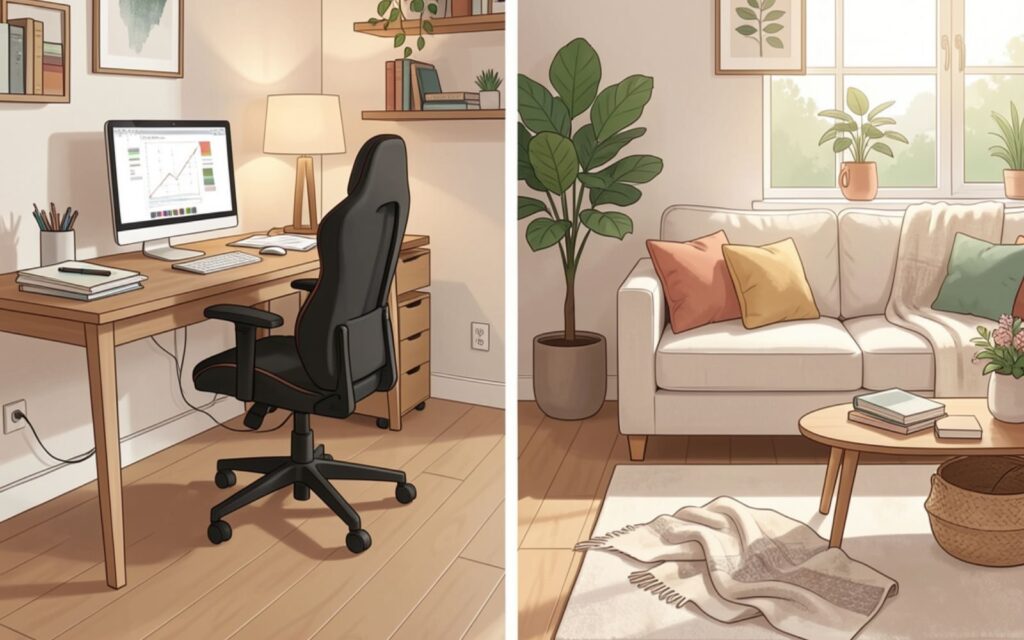
Without physical boundaries, work can easily take over your home, affecting your mental health and emotional well-being.
Tips to Create a Separate Workspace:
- Set up a dedicated desk or office space away from personal items.
- Avoid working from bed or the couch to mentally separate work from home lives.
- Use noise-canceling headphones or a door sign to signal focus time.
- Physically leave your workspace once your workday is over.
By creating hard boundaries, you signal to your brain when it’s time to focus and when it’s time to relax.
Learn to Set Limits and Say “No”

Taking on additional responsibilities beyond your job role can quickly lead to feeling overwhelmed. Learning to say “no” is essential to prevent burnout and maintain a healthy work-life balance.
How to Set Limits:
- Assess your reasonable workload before accepting more tasks.
- Use polite but firm language: “I’d love to help, but I’m currently at capacity.”
- Decline workplace gossip or distractions that eat into your productive life.
- Remind yourself that saying no is about protecting your mental well-being.
By prioritizing your tasks, you create a better work-life balance while maintaining efficiency.
Limit Work Notifications to Maintain Boundaries
Constant work notifications can drain your mental energy, making it difficult to separate work from personal pursuits.
How to Manage Notifications:
- Disable work-related alerts after your working hours.
- Set “Do Not Disturb” modes on work apps to create clear boundaries.
- If possible, use separate devices for work and personal activities.
- Inform your team about your communication preferences to avoid after-hours messages.
Controlling work interruptions helps you reduce stress and protect your personal time.
Prioritize Self-Care and Regular Breaks
Neglecting self-care can lead to stress levels skyrocketing. Making time for regular breaks and personal activities is crucial for your physical health and emotional well-being.
Self-Care Strategies:
- Schedule time for exercise, hobbies, and relaxation.
- Take a lunch break away from your desk to reset your mind.
- Engage in mindfulness or meditation to manage mental health.
- Spend quality time with family and friends.
Prioritizing yourself helps you stay energized and maintain a better boundaries approach.
Communicate Your Boundaries at Work
If you don’t express your work boundaries, colleagues may unintentionally overstep them. Effective communication ensures that everyone respects your limits.
How to Communicate Boundaries:
- Set expectations with co-workers and managers about your availability.
- Be direct but professional when discussing additional responsibilities.
- Use shared calendars to show your working hours and personal time.
- Seek additional resources if your workload is becoming unmanageable.
Clear communication leads to a more healthy work-life dynamic, reducing misunderstandings.
Take Time Off Without Guilt
Taking breaks or even considering a different job shouldn’t make you feel guilty. Regularly review your workload and take necessary rest periods to avoid burnout.
Tips for Taking Breaks:
- Plan and use your vacation days without hesitation.
- Step away from work during lunch breaks to recharge.
- If experiencing burnout, consider a new job or adjusting your job role.
- Give yourself permission to rest-your performance will improve in the long run.
Taking time off helps sustain long-term productivity while protecting your overall well-being.
Summary
Setting boundaries between work and personal life is essential for a healthy work-life balance. By defining working hours, creating physical boundaries, limiting work interruptions, and prioritizing self-care, you can build a sustainable routine.
Professional boundaries ensure colleagues respect your time, while taking breaks and vacations prevents burnout. A structured approach to work-life balance leads to a more productive life, improved job satisfaction, and enhanced mental well-being.
Frequently Asked Questions
How Do I Set Clear Work Boundaries Without Upsetting My Boss?
Communicate your limits professionally. Let your boss know your working hours and use polite explanations when declining additional responsibilities. Offer alternative solutions if needed.
What If My Job Requires Me to Be Available All the Time?
If your job has high demands, consider setting communication preferences and dedicated check-in times instead of always being on call. Discuss options with your employer to create a more reasonable workload.
How Do I Balance Work and Personal Life While Working Remotely?
Establish physical boundaries by designating a separate workspace. Stick to a work schedule, limit distractions, and step away from work during personal time to maintain healthy balance.
What Should I Do If My Co-Workers Ignore My Boundaries?
Gently remind them of your availability and professional boundaries. If the issue persists, escalate the conversation to a manager or HR to receive feedback and support.
Can Setting Boundaries Help Prevent Burnout?
Absolutely! Setting clear boundaries, taking regular breaks, and prioritizing self-care help reduce stress and prevent burnout, leading to a more sustainable and productive life.



A really good blog and me back again.