How to Minimize Distractions at Work for Better Focus and Productivity


Staying focused at work can be tough, especially with workplace distractions like email notifications, phone calls, online distractions, and meetings. These interruptions make it harder to complete work tasks, leading to unfinished tasks and lower productivity.
If you feel distracted, drained, or struggling to boost productivity, it’s time to take control. This guide will show you effective strategies about how to minimize distractions at work, set boundaries, and build time management habits that help you stay on track throughout your workday.
Key Takeaways: How to minimize distractions at work
- Identify the most common distractions and how to avoid them.
- Set boundaries with other employees, phone calls, and meetings.
- Use time management techniques like the Pomodoro Method.
- Optimize your work environment for fewer distractions.
- Take frequent breaks to maintain focus and mental health.
Identify and Limit Workplace Distractions

To minimize distractions at work, start by recognizing what’s pulling you away from your tasks. Common distractions include:
- Digital distractions – Text messages, push notifications, and other devices.
- Online distractions – Social media, endless browsing, and unnecessary apps.
- Office noise – Open-plan office chatter, ringing phones, and background noise.
- Meetings – Too many meetings can disrupt deep work.
- Multitasking – Switching between tasks wastes time and reduces focus.
How to Limit Distractions:
- Turn off push notifications – Silence alerts for non-essential apps.
- Use website blockers – Block access to distracting sites.
- Set boundaries – Let other employees know when you need focus time.
- Batch similar tasks – Group emails, phone calls, and meetings together.
Create a Productive Work Environment

Your work environment plays a big role in how well you focus. Here’s how to eliminate distractions and stay on track:
- Use noise-canceling headphones – Block out office noise with white noise or calming music.
- Keep a clean desk – A clutter-free workspace reduces mental clutter.
- Adjust your lighting – Proper lighting helps prevent fatigue and keeps you alert.
- Have a dedicated workspace – If you’re working remotely, set up a quiet area for work.
A well-organized space helps you stay focused and manage distractions effectively.
Set Boundaries and Manage Interruptions

To avoid distractions, set clear boundaries with your team and clients.
How to Set Boundaries:
- Schedule work hours – Stick to a routine for better focus.
- Limit phone calls – Let people know when you’re unavailable.
- Use a “Do Not Disturb” mode – Silence text messages and other alerts.
- Have a signal for deep work – Headphones or a desk sign can let others know when you need quiet time.
When you set boundaries, you create a more productive workday with less time wasted on interruptions.
Use Time Management Techniques

Good time management helps you stay on task and complete work efficiently.
Effective Strategies:
- The Pomodoro Method – Work for 25 minutes, take a short break, and repeat.
- The Two-Hour Rule – Focus deeply on an important task for two hours before checking emails or messages.
- The To-Do List Method – Prioritize your tasks by importance and urgency.
- Set time limits – Give yourself a certain amount of time to complete each task.
By structuring your work, you’ll reduce distractions and boost productivity throughout the day.
Manage Digital and Online Distractions
Digital distractions are one of the biggest workplace distractions. It’s easy to lose track of time on emails, social media, and other devices.
How to Manage Digital Distractions:
- Check emails at set times – Instead of responding constantly, set specific hours to check your inbox.
- Turn off non-essential notifications – Reduce interruptions from social media and apps.
- Use focus apps – Tools like Cold Turkey, Freedom, and StayFocusd help you block distracting sites.
- Limit screen time – Set boundaries for how much time you spend on online distractions.
When you control digital distractions, you have more time to complete your tasks and stay productive.
Take Frequent Breaks to Stay Energized
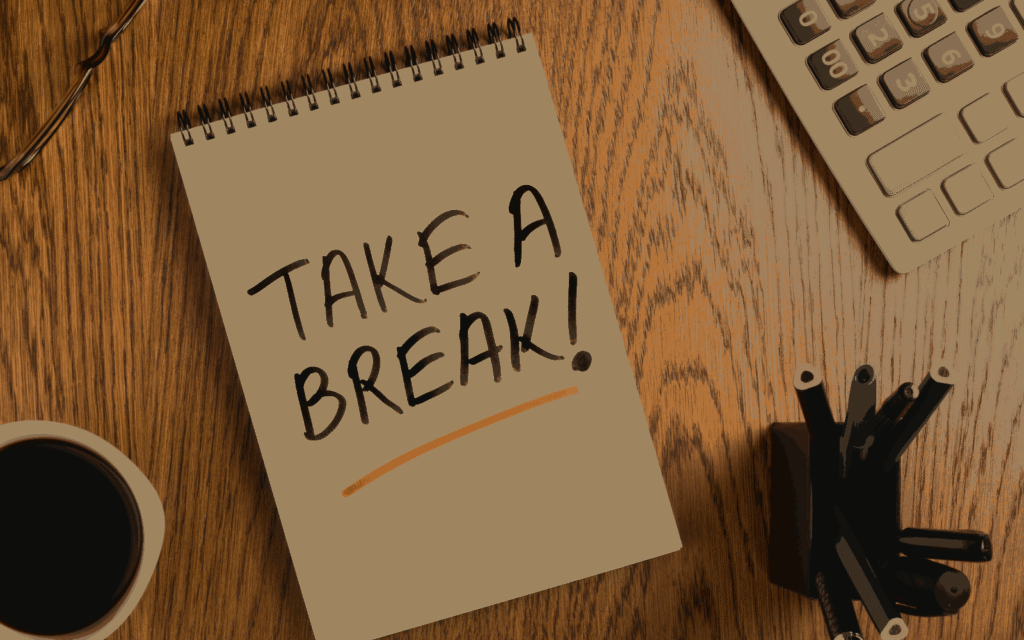
Working non-stop can leave you feeling drained and reduce productivity. Frequent breaks help reset your focus.
Best Break Strategies:
- Step away every 90 minutes – A short break keeps your energy levels high.
- Move around – A quick walk or stretch helps refresh your mind.
- Try white noise or meditation – Helps clear your thoughts before diving back into work.
- Avoid checking your phone – Use breaks to rest, not scroll through distractions.
Taking frequent breaks improves mental health and helps you stay productive for a longer workday.
Summary
To minimize distractions at work, you need to recognize what’s stealing your focus and take action. Start by limiting digital distractions, setting boundaries, managing interruptions, and optimizing your workspace.
Use time management techniques like the Pomodoro Method and take frequent breaks to maintain energy throughout your workday.
By following these effective strategies, you’ll reduce distractions, boost productivity, and complete tasks in less time.
Frequently Asked Questions
How Can I Avoid Distractions at Work?
Turn off push notifications, use noise-canceling headphones, and set work hours with clear boundaries.
How Do I Manage Distractions in an Open-Plan Office?
Use white noise, noise-canceling headphones, and a desk sign to signal deep focus.
What’s the Best Way to Handle Digital Distractions?
Block access to distracting sites, limit cell phone usage, and check emails at set times.
How Do Frequent Breaks Help Productivity?
Frequent breaks prevent burnout, refresh focus, and improve mental health.
What’s the Best Bet for Managing Time at Work?
Use time management techniques like the Pomodoro Method, to-do lists, and setting time limits to complete work efficiently.



2 Comments